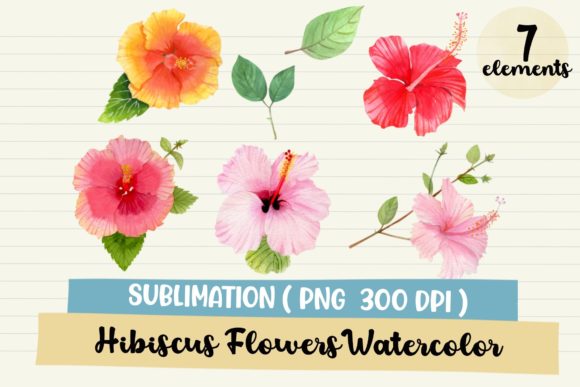
Hibiscus Flower Watercolor Clipart and Illustrations
The Hibiscus Flower Watercolor Clipart offers a soft, artistic touch that can elevate any digital project. Its delicate lines and gentle hues make it ideal for content creators looking to add a refined, visual element to their work. Whether used in blog graphics, editorial design, or social media visuals, this graphic design asset brings a sense of elegance and creativity that aligns with lifestyle, wellness, and artistic niches.
First Impressions: Aesthetic and Editorial Mood
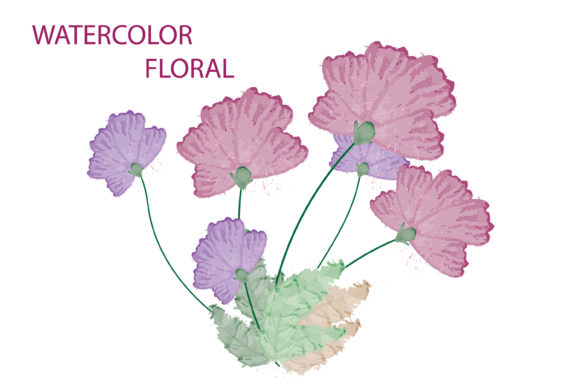
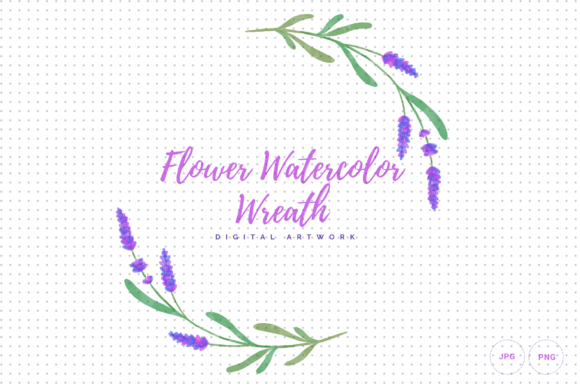
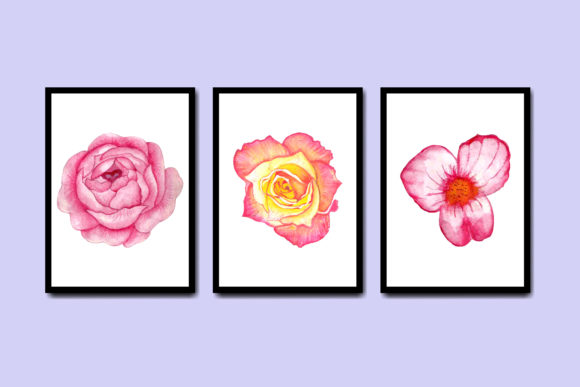
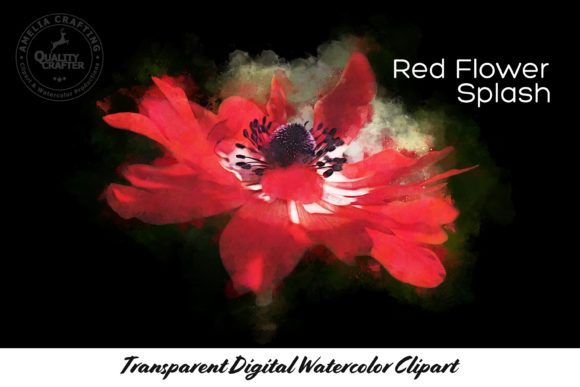
Upon first glance, the Hibiscus Flower Watercolor Clipart exudes a feminine and artistic vibe. The watercolor style suggests a handcrafted, personal touch that feels warm and inviting. This makes it particularly well-suited for content focused on self-care, home decor, floral arrangements, and seasonal themes. It supports editorial design that aims for a lifestyle or creative brand identity without being overly bold or modern.
The design has a subtle charm that works well in both digital and print formats. Its soft edges and muted tones can help create a calm, welcoming atmosphere—ideal for blogs or websites aiming to build trust and engagement with readers.
Real-World Publishing Applications
The Hibiscus Flower Watercolor Clipart is highly versatile and can be integrated into various publishing workflows. For bloggers, it serves as an excellent featured image or Pinterest pin, helping to draw attention and improve click-through rates. In editorial layouts, it can act as a decorative accent or header graphic, adding visual interest without overwhelming the text.
For content marketers, this clipart can be used in lead magnets, downloadable resources, and digital guides. As a Canva template element, it enhances the look of newsletter banners, social media posts, and promotional materials. It also works well in affiliate marketing visuals, where a polished, professional appearance can boost credibility and conversions.
Supporting Content Performance
Using the Hibiscus Flower Watercolor Clipart can significantly enhance content performance. Its clean, appealing design helps create a stronger first impression, which is crucial for attracting and retaining readers. When placed beside headlines or within article headers, it contributes to a clearer visual hierarchy, making content more scannable and engaging.
This graphic design asset also strengthens brand identity by maintaining a consistent aesthetic across multiple platforms. Whether used in website headers, social media previews, or email newsletters, it reinforces a cohesive visual language that builds reader trust and recognition.
Best Use Cases for Hibiscus Flower Watercolor Clipart
This asset shines in hero images, article thumbnails, and Pinterest pins where visual appeal is key. It’s also effective as an editorial accent in blog posts, helping to break up text and guide the reader’s eye. For digital products like worksheets, eBook covers, and printable designs, it adds a professional and artistic finish.
In content upgrades and downloadable resources, the Hibiscus Flower Watercolor Clipart can serve as a background or border element, enhancing the overall user experience. It also works well in newsletter headers and social media previews, where a visually pleasing image can increase engagement and clicks.
When to Use with Caution
While the Hibiscus Flower Watercolor Clipart is beautiful, it may not suit every use case. On small mobile thumbnails, its intricate details might get lost, reducing its effectiveness. In text-heavy blog images, it could distract from the main message rather than support it.
It’s best avoided on low-contrast backgrounds or in busy layouts where it might clash with other elements. For serious professional niches or corporate content, a more minimal or modern design might be more appropriate. Websites with a very clean visual system may also find this asset too decorative or bold.
Publisher Notes: Testing and Optimization
Before integrating the Hibiscus Flower Watercolor Clipart into your content, test it on both desktop and mobile screens to ensure it looks good at all sizes. Check how it appears as a thumbnail and preview it within a real blog layout to see how it interacts with other elements.
Test the clipart with headline text to ensure readability and contrast. Try it in black and white to assess its versatility, and place it beside different font styles—serif, sans serif, script, handwritten, and display—to see how it complements each one.
Review the file size for web performance and compress images properly to maintain fast loading times. Always confirm the commercial license before using it on monetized websites, affiliate pages, or paid content products.
Conclusion: A Creative Asset for Polished Content
The Hibiscus Flower Watercolor Clipart is a valuable addition to any content creator’s toolkit. Its artistic style and elegant presentation make it ideal for blogs, digital guides, and social media graphics that aim to look professional and engaging. By thoughtfully integrating this design asset, publishers can enhance their visual storytelling, strengthen brand identity, and improve the overall user experience across their platforms.
Whether used in editorial design, web design, or content marketing, the Hibiscus Flower Watercolor Clipart offers a fresh, creative approach to visual communication that can elevate any digital project.